
Any loinclothed barbarian can stumble into a dungeon and beat up a bunch of monsters, and come back with a magical sword, but wouldn’t it be cooler to make one?
With the varied magical schools and types of arcane magic, players with enough dedication and commitment to these skills (or enough coin to pay those who do) can engineer a staggering variety of magical gear, complete with mechanics, the types of gems that work best for binding etheric patterns of particular schools of magic, options for chargeable and activated effects, and rules for restoring and refurbishing damaged magical items. With over 400 academic arcane spells alone and the ability to engineer new ones, the only thing holding a character back is developing the skills and having the cash to craft the most amazing toys.
There are also rules for witches creating amulets, which activate when needed and shatter after their duration expires, and for creating traditional brews that can allow a witch to share the effects of spells only castable on oneself.
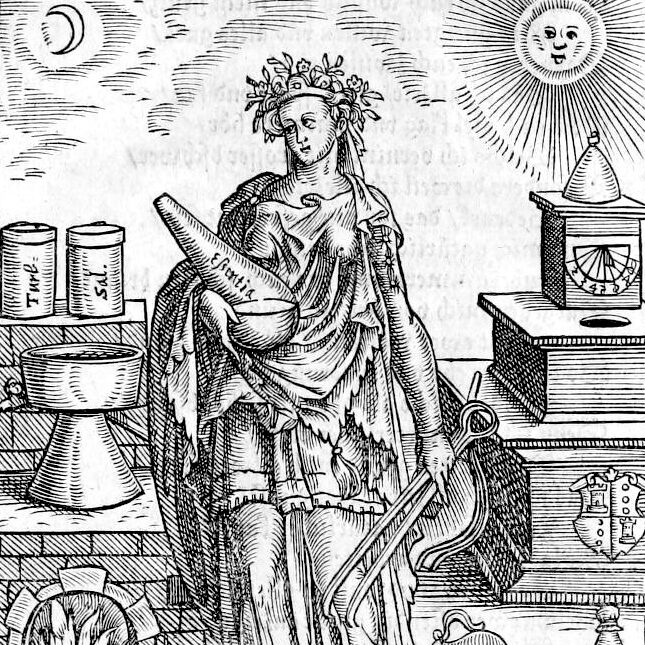
Additionally, The Meidlands has a dizzying array of options for the alchemically inclined. Over 200 alchemical reagents, researched from historical magical, alchemical and herbal works. 14 primary alchemical effects (with a host of example arcane additions), with 6 levels of potency, with variations on type (ingested, weapon coated, gas bomb). A slew of alchemical operations, modeled after historical practice, along with equipment and lab creation.
To brew some simple potions, a character can commit to some simple equipment and limited skill allocation, and in doing so, can provide value to the party by cooking things up when in safe locales. To brew the most powerful and life-changing concoctions requires serious dedication, months of in-game time, deep pockets, and a bit of luck, but the choice is there for those who wish to unlock the secrets of nature.